How to Become a Security Guard in the UK

- Published at
Security work can offer a practical, people-focused career with opportunities across offices, retail sites, construction projects, events, warehouses and residential buildings. If you are researching how to become a Security Guard in the UK, it helps to understand the route before you commit to training or begin an SIA licence application.
The exact steps depend on the type of security role you want to do, but the usual journey involves choosing the right licence route, completing relevant training, applying to the SIA and preparing for your first role. This guide explains the process in clear stages.
What Does a Security Guard Do?
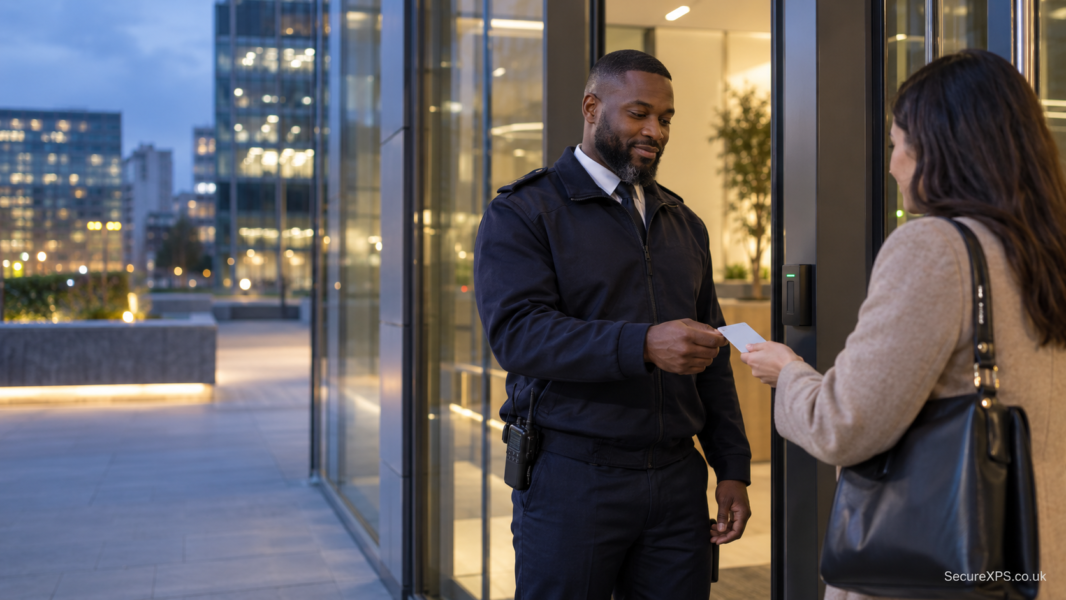
A Security Guard helps protect people, property and premises. Depending on the workplace, day-to-day duties may include monitoring entrances, checking visitors, conducting patrols, responding calmly to concerns, and writing clear incident reports.
Many roles also require strong customer service. You may be the first person a visitor sees at a site, so professionalism, communication and a calm manner matter just as much as staying alert.
Security Guards can work in a variety of environments, including:
- Retail stores and shopping centres
- Offices, warehouses and construction sites
- Residential buildings and concierge settings
- Hospitals, colleges and public venues
- Private events and corporate locations
Before choosing your route, it is useful to consider the type of environment in which you would feel comfortable working. For example, someone interested in static guarding at a business premises may follow a different path from someone who wants a role involving licensed door supervision.
Check the Security Guard Licence Route
In the UK, many frontline private-security roles require an SIA licence. A Security Guard licence is for people working in guarding roles who protect premises, people, or property without carrying out door-supervision duties.
Your first step should be to read the Security Guard licence guide and check the current requirements that apply to your situation. This will help you understand the licensing route, the application process, and the preparation required before you apply.
It is also worth reviewing the official requirements carefully before making plans, as SIA rules and application guidance can change. Taking the time to understand the process early can help you choose suitable training and avoid unnecessary delays later.
Choose Training That Matches Your Career Goal
Security training should support the licence and role you are aiming for. If you are unsure whether Security Guard work is the right fit, compare it with other SIA training routes before booking.
For example, Door Supervisor training can suit people looking for work in licensed premises, events or venues where door-supervision duties are required. You can explore the full range of options on our SIA security training courses page.
If you already hold a Security Guard licence and are preparing to renew it, you may need a different route. In that case, see our Security Guard refresher training with First Aid page rather than treating this beginner guide as a renewal guide.
Complete the Relevant Training and Prepare to Apply
Once you understand the Security Guard route, the next step is to ensure you follow the correct training and licensing process for the role you want.
Training is not simply a box to tick. It is designed to prepare you for the realities of security work, including how to communicate professionally, deal with situations calmly, recognise risks and follow procedures at a site. The right course should also make the next stage of your SIA licence journey clearer.
Before booking, check the current requirements for your intended licence and read the course information carefully. This is especially important if you are deciding between Security Guard and Door Supervisor work. Door Supervisors may work in different environments and can have different responsibilities, particularly at licensed venues.
For broader guidance on available training routes, visit our SIA security training courses page. If you have already decided that a Security Guard licence is the right path, the Security Guard licence guide is the best place to review the next steps in more detail.
After completing the relevant training, you will need to make an SIA licence application. The application process can involve providing information and completing the necessary checks, so it is sensible to prepare carefully and use accurate details throughout.
Our guide to applying for an SIA licence explains the process in a clear, step-by-step way. Reading it before you apply can help you understand what to expect and avoid preventable mistakes.
Develop the Skills Employers Look For
A licence is an important part of becoming a Security Guard, but employers also look for personal qualities that show you can be trusted with responsibility.
Security work often involves dealing with members of the public, site staff, contractors and management teams. You may need to give directions, record information, report a concern or remain calm when someone is frustrated. For that reason, strong communication skills are highly valuable.
The qualities that can help you stand out include:
- Professionalism and reliability
- Good observation skills
- Clear written and verbal communication
- A calm approach under pressure
- Respect for procedures and confidentiality
- Confidence when speaking with different people
- Punctuality and smart presentation
You do not need prior security experience for every entry-level opportunity, but you should be prepared to demonstrate dependability and a willingness to learn. Previous experience in customer service, retail, hospitality, warehousing, reception, or care work can provide useful transferable skills.
It is also important to understand the boundaries of the role. Security Guards help maintain safety and follow site procedures, but they must act professionally and within the law. As you gain experience, you will become more confident in recognising when to report an issue, request support or follow an agreed escalation process.
Look for the Right First Security Role
After you have completed the relevant steps towards licensing, you can begin looking for roles that suit your experience, availability and career goals.
Entry-level Security Guard jobs can vary widely. Some positions involve static guarding at offices or construction sites, while others focus on monitoring access at residential developments, retail locations or warehouses. Some roles are daytime positions, while others involve evenings, weekends or night shifts.
When reviewing job adverts, pay attention to:
- The type of premises you will be working at
- The shift pattern and location
- Whether previous experience is preferred or required
- The duties expected during each shift
- Any additional customer-service or reporting responsibilities
For your first role, it can be helpful to choose an environment where you feel comfortable and can build confidence. A well-structured role can give you experience in access control, patrols, incident reporting and professional communication — all of which can support future progression.
Think About Your Long-Term Security Career
Security can offer more than one career direction. As you gain experience, you may decide to move into a specialist environment, take on additional responsibility or explore another SIA licence route.
For example, some people begin in static guarding and later move into supervisory roles, control-room work, retail security, events or door supervision. The best route depends on the type of work you enjoy and the environments where you want to build experience.
It is worth reviewing your options from time to time, particularly when your licence renewal approaches. Existing Security Guard licence holders can explore Security Guard refresher training with First Aid when planning the appropriate renewal route.
Start Your Security Guard Journey With Confidence
Becoming a Security Guard in the UK starts with choosing the right role, understanding the licensing route, and preparing carefully for training and the application process. Take each stage one at a time: learn about the role, check the current requirements, complete the appropriate training and apply with accurate information.
For the most detailed guidance on the licence route, visit our Security Guard licence page.
Frequently Asked Questions About Becoming a Security Guard
Do I need an SIA licence to work as a Security Guard?
Many frontline Security Guard roles in the UK require an SIA licence. The exact licence route depends on the work you plan to do, so it is important to check current requirements before applying. Our Security Guard licence guide explains the route in more detail.
Can I become a Security Guard with no experience?
Yes, some entry-level security roles are suitable for people who are new to the industry. Employers will still expect you to be reliable, professional and able to communicate well. Relevant training, the correct licence route and a positive attitude can help you prepare for your first opportunity.
Is Security Guard work the same as Door Supervisor work?
No. Both roles fall within the private security industry, but they can involve different work environments and responsibilities. Security Guard work often focuses on protecting premises, people, and property, while Door Supervisor roles may involve work in licensed venues and at events. Review the available options on our SIA security training courses page before choosing a route.
What happens after I complete my training?
Training is an important stage, but you will also need to follow the appropriate SIA licence application process. Read our how to apply for an SIA licence guide to understand the next steps and prepare your application carefully.
Can I progress after becoming a Security Guard?
Yes. With experience, you may decide to specialise in a particular environment, take on more responsibility or explore other security roles. Building strong communication, reporting, and customer service skills can support your development over time.
Take the First Step Towards a Security Career
A Security Guard career begins with understanding the role, choosing the correct SIA licence route and preparing carefully for the application process. Start with the information that applies to your situation, then choose training that supports your career goal.
For detailed help with requirements and next steps, visit our Security Guard licence guide. You can also explore SIA training courses in London to compare the training routes available through Securex Premium Services.