Door Supervisor vs Security Guard: SIA Role Differences
- Published at
Choosing your first security role in London?
The license you pick today shapes your entire career path. Get it right, and doors open across nightlife, events, retail, and corporate security. Get it wrong, and you’ll hit legal roadblocks fast.
Most people don’t realise these two SIA licenses aren’t interchangeable.
A Door Supervisor can work almost anywhere. A Security Guard faces strict limits on where they can legally operate. Thousands of aspiring security professionals choose the wrong path simply because they don’t understand the legal scope of each license or how long an SIA badge takes to arrive once they’ve started the process.
This guide breaks down exactly what separates these roles, what the law demands in 2026, and which license gives you maximum career flexibility in London’s competitive security market.
Key Takeaways (2026 Update)
- Both roles need SIA regulation. The Security Industry Authority controls frontline security work across the UK.
- Door Supervisor licenses work everywhere. You can work in pubs, clubs, retail, events, and most Security Guard positions with a single DS license.
- Security Guard licenses have limits. You cannot legally work in venues that sell alcohol for on-site consumption. No nightclubs, no bars, no festival doors.
- 2026 brings mandatory updates. Government guidance confirms refresher training, valid First Aid certificates, and ACT counter-terrorism e-learning are now required for all renewals.
- Working without a license is criminal. The law is clear. No valid SIA badge means no legal work. Fines reach £5,000, plus potential prison time and permanent career damage.
Understanding the Basics: Door Supervisor vs Security Guard
Start here before you book any training. These definitions aren’t just semantics. They’re legal distinctions that determine where you can work and what you’re allowed to do once you’re licensed.
What Is a Door Supervisor?
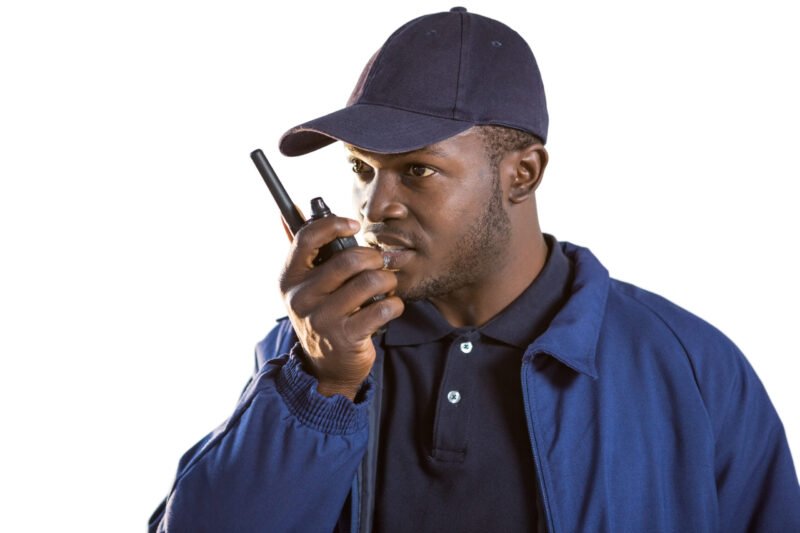
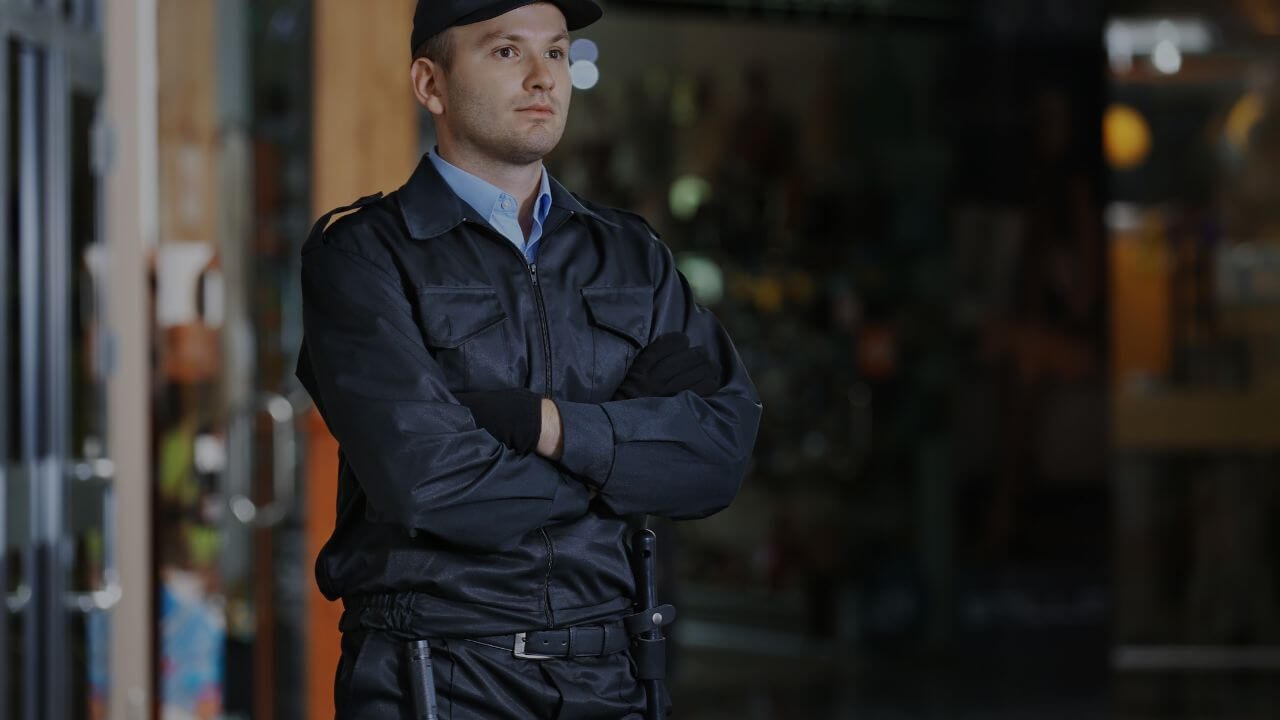
A Door Supervisor controls who enters licensed premises and keeps everyone inside safe. Think pubs, nightclubs, late-night bars, casinos, concert venues, and festivals. Anywhere alcohol flows, and crowds gather, door supervisors maintain order.
The role goes beyond standing at the door. You check IDs, manage queues, search bags and people when needed, and deal with drunk or aggressive customers.
When trouble starts, you step in. Your SIA training prepares you for conflict management and physical intervention because these environments demand it.
Pro Tip: After helping hundreds of Londoners get licensed at Securex, we’ve seen this pattern repeatedly; Door Supervisors who master conflict de-escalation early get promoted faster and earn more shifts at premium venues.
What Is a Security Guard?
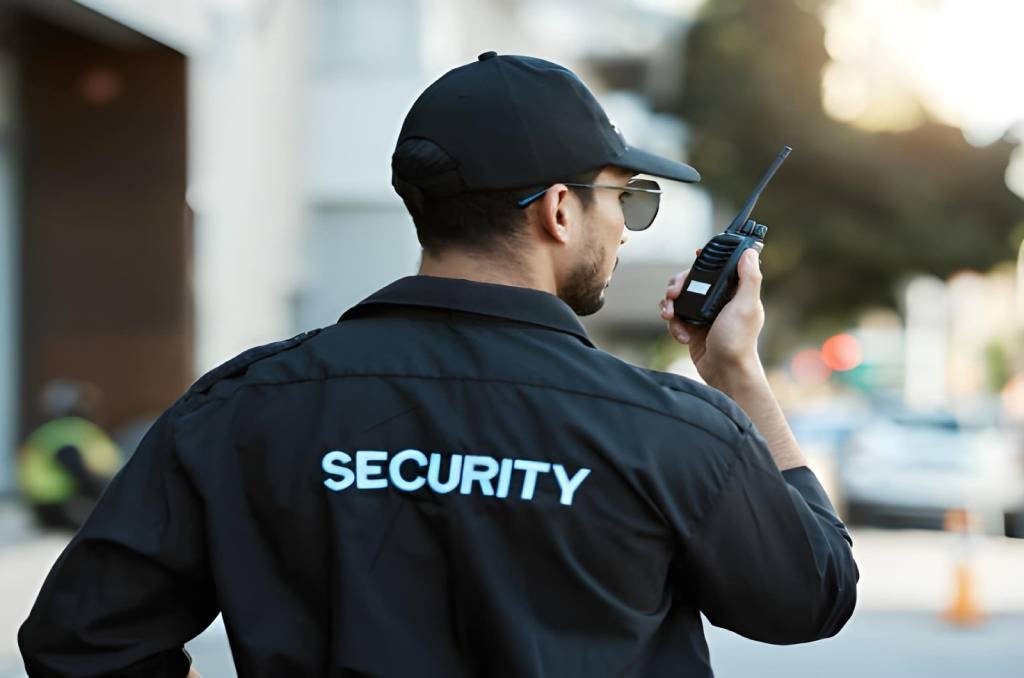
Security Guards protect property and people in quieter settings.
You’ll find them in office buildings, warehouses, retail stores, hospitals, construction sites, and factories. The focus shifts from crowd control to asset protection.
Your day involves patrolling buildings, watching CCTV screens, checking visitor passes, and writing incident reports. You lock and unlock sites, monitor alarm systems, and respond when something looks wrong.
The work is more routine and process-driven than door supervision. You won’t deal with intoxicated crowds, but you’ll spend long hours on your feet maintaining constant vigilance.
Are Door Supervisors and Security Guards the Same?
People assume they’re identical because both wear hi-vis vests and need SIA licenses. Legally, they’re completely different.
The distinction matters. A door supervisor license lets you work on licensed premises (where alcohol is sold and consumed on-site) plus most non-licensed security roles. A security guard license prohibits licensed premises work entirely.
Training differs, too.
Door Supervisor courses include physical intervention modules for managing aggressive customers in crowded spaces. Security Guard training skips this component, focusing instead on observation, reporting, and patrol procedures.
Job flexibility creates the biggest gap. DS license holders can apply for virtually any Security Guard role, plus all nightlife and event positions.
SG license holders face hard legal limits on where they can work.
Door Supervisor vs Security Supervisor: Clearing Up the Confusion
Here’s where terminology gets messy. “Door Supervisor” is an official SIA license category regulated by government standards. “Security Supervisor” is just a job title with no specific license attached.
A security supervisor might hold a door supervisor license, a security guard license, or even a non-frontline management qualification. Legal guidance from Mortons Solicitors explains that supervisors who only manage staff but don’t do frontline security work themselves may not need a frontline license at all.
Security supervisors typically handle shift schedules, team briefings, incident escalation, and client meetings.
Many start as door supervisors or security guards, gain experience on the ground, then move into management with extra training and qualifications.
Door Supervisor vs Security Guard: Comparison at a Glance
| Feature | Door Supervisor (DS) | Security Guard (SG) |
| SIA license type | Frontline – Door Supervision | Frontline – Security Guarding |
| Licensed premises (alcohol) | Yes – pubs, clubs, venues serving alcohol | No – restricted to non-licensed sites |
| Non-licensed premises | Yes – retail, events, corporate, public spaces | Yes – offices, warehouses, retail, construction |
| Physical intervention training | Included as core module | Not included in standard course |
| Typical training duration | Around 6 days | Around 5 days |
| Main focus | Crowd control, entry management, intoxication, conflict | Asset protection, access control, patrols, monitoring |
| Typical hourly pay (2026) | £13–£18+, higher in London and events | £10–£15+ depending on site and region |
| Shift patterns | Mostly evenings, nights, weekends | Mix of days/nights; many 8–12 hour static shifts |
| Career flexibility | Highest – covers most SG work plus nightlife/events | Good for static or corporate roles, narrower scope |
What is the Difference between Door Supervisor and Security Guard?
The license you choose today shapes everything that follows. Over the next seven sections, we’ll break down exactly how DS and SG roles differ across licensing requirements, training standards, work environments, daily responsibilities, essential skills, pay scales, and shift patterns.
These aren’t abstract comparisons; they’re the practical realities that determine where you can legally work, what you’ll actually do on shift, and how much you’ll earn in London’s security industry.
1. Licensing and Qualifications
The Security Industry Authority regulates both roles under the Private Security Industry Act 2001. UK law requires most contracted frontline security workers to hold the relevant SIA license before they can legally work.
Door Supervisor License (Frontline – Licensed Premises)
A Door Supervisor license grants you legal authority to work on licensed premises where alcohol is sold for on-site drinking.
You can also work in most manned guarding roles, including retail security, event security, corporate reception, and various static guard positions.
Training is more comprehensive.
You learn physical intervention techniques, alcohol-related risk management, vulnerable person safeguarding, and how to handle busy public environments safely. The course demands more time and covers higher-risk scenarios than Security Guard training.
Security Guard License (Manned Guarding – Non-Licensed Only)
A Security Guard license covers static and patrolling roles on non-licensed premises. Think offices, warehouses, hospitals, construction sites, and retail parks. Industry standards show these environments present lower alcohol-related conflict risks.
The law prohibits security guard license holders from door supervision work at licensed premises.
You cannot legally control entry or manage customers at pubs, clubs, or bars where the primary activity involves selling alcohol for immediate consumption.
Can a Door Supervisor License Cover Security Guard Work? (The Versatility Advantage)
Yes. SIA guidance and industry practice confirm that Door Supervisor license holders can legally perform roles covered by Security Guard licenses. The reverse doesn’t work.
Some contracts specifically request “Security Guard” staff, but most employers accept and prefer DS licenses because of the higher training standard.
Through our work at Securex with hundreds of London security professionals, we consistently see DS-qualified candidates getting first pick of corporate and retail positions because their skills exceed the baseline requirements.
2. Training Requirements: The 2026 Standards
Mandatory Prerequisites (Before You Book DS/SG Training)
Government requirements state you must:
- Be at least 18 years old
- Have legal right to work in the UK (SIA checks Home Office records)
- Hold a valid Emergency First Aid at Work (EFAW) certification before starting license-linked training
- Your First Aid certificate must have at least 12 month’s validity remaining when you begin security training
- Prove your identity and provide your address history for criminality checks
Door Supervisor Training Breakdown
DS training typically runs 6 days in 2026. The course covers four core units:
- Working in the Private Security Industry
- Working as a Door Supervisor in the Private Security Industry
- Conflict Management
- Physical Intervention Skills
Assessment combines multiple-choice exams with practical demonstrations. You’ll show trainers you can perform physical intervention techniques and conduct searches properly.
Providers may check your basic fitness and mobility before confirming your place because the physical elements demand it.
Security Guard Training Breakdown
Security Guard courses typically last 4 days and focus on:
- Working in the Private Security Industry
- Working as a Security Officer in the Private Security Industry
- Conflict Management
There’s no mandatory physical intervention module for standard SG licenses. Assessment happens through multiple-choice tests and scenario questions rather than physical demonstrations.
New for 2026: ACT E-Learning Requirements
Counter-terrorism awareness has become central to SIA training.
Government updates confirm that anyone renewing a Door Supervisor or Security Guard license must complete refresher training that includes counter-terror content.
You need to complete the ACT Awareness and ACT Security online courses on ProtectUK’s platform and provide certificates to your training provider. For refresher courses, most providers require ACT certificates completed within the last 3–12 months as pre-course work.
For new applicants, ACT e-learning is strongly encouraged. Some awarding bodies integrate it into license-linked qualifications. Even where not strictly mandatory, completing ACT modules prepares you better for assessments and real security threats.
Important: From our experience training over 500 security professionals at Securex, candidates who complete ACT modules before Day 1 of their main course perform significantly better in assessments and feel more confident on their first shift.
3. Work Environment and Settings
Door Supervisor Venues (Licensed Premises)
Door Supervisors work where alcohol and crowds intersect:
- Nightclubs, bars, pubs, live music venues
- Festivals and outdoor events with licensed bars
- Casinos, theatres, and late-night entertainment venues
These environments bring noise, crowds, and higher confrontation risks. You’ll manage intoxicated customers, handle safeguarding issues, and make quick decisions under pressure.
Security Guard Venues (Non-Licensed Premises)
Security Guards typically operate in:
- Corporate offices, reception desks, business parks
- Warehouses, logistics centres, construction sites
- Hospitals, schools, retail parks, shopping centres
The focus shifts to preventing theft, trespass, and property damage rather than managing drunk or aggressive crowds. Work is often quieter and more predictable.
4. Primary Responsibilities and Duties
Door Supervisor Duties
Your core work includes:
- Controlling entry and re-entry to venues
- Enforcing dress codes and behaviour policies
- Managing queues and monitoring venue capacity
- Watching customer behaviour inside and outside
- De-escalating conflicts before they turn physical
- Safely removing disruptive individuals when necessary
- Working with venue management, police, and emergency services
ID Checking and Age Verification
You’ll check identification documents constantly. DS work demands you spot fake or altered ID and refuse entry when someone doesn’t meet age requirements. This links directly to licensing law and the venue’s legal responsibilities around alcohol sales.
Searching and Entry Control
Bag searches happen at most venues. Person searches occur at some high-security sites following specific policies and legal guidelines. Recent refresher training emphasises effective searching, protecting vulnerable people, and identifying potential terror threats or weapons.
Alcohol and Drug Awareness Requirements
Current DS training addresses vulnerability issues, including drink spiking, excessive intoxication, and protecting people at risk.
You balance enforcement with the duty of care. Sometimes that means calling medical help instead of simply ejecting someone.
Security Guard Duties
Security Guards focus on:
- Patrolling building interiors and perimeters
- Monitoring alarm systems and responding to alerts
- Writing detailed logbooks and incident reports
- Lock and unlock routines
- Checking fire exits and safety hazards
CCTV Monitoring and Surveillance Systems
Many SG roles involve operating CCTV systems. You observe incidents in real-time, record footage properly for legal purposes, and support investigations while following data protection rules.
Access Control and Visitor Management
You’ll manage visitor passes, staff entry systems, delivery checks, and key control. This is especially common in corporate and industrial environments where controlling access prevents theft and maintains safety.
5. Required Skills and Personal Attributes
Door Supervisor Skills
- Strong verbal communication and conflict de-escalation
- Confidence and presence in crowded, noisy spaces
- Situational awareness and fast decision-making
- Emotional control when people provoke you
- Physical fitness for long periods of standing, plus occasional physical interventions
Security Guard Skills
- Sharp observation maintained over long shifts
- Clear written communication for reports and logs
- Professional customer service for reception or front-of-house work
- Reliability for lone working and routine patrols
- Ability to follow procedures and escalate issues appropriately
6. Salary and Pay Differences
Pay varies by region, employer, and shift type. 2025-2026 job market data shows solid benchmarks.
Average Hourly Rates (2026 UK)
Door Supervisors typically earn £13–£18 per hour across the UK. London rates push higher, with experienced DS staff in premium venues earning £18–£22+ per hour. National salary data confirms these ranges hold steady through early 2026.
Security Guards average £10–£15 per hour. UK salary surveys indicate annual earnings of £21,700–£30,000, which equals roughly £10.50–£15.40 per hour. Some experienced guards on specialist sites earn more.
Industry-wide SIA salary guides suggest most licensed roles fall between £22,000–£32,000 annually. Night work, overtime, and high-security sites push earnings higher.
DS roles generally command slightly better hourly rates than entry-level SG positions, particularly in city-centre nightlife and event security.
Factors Affecting Pay
- Region – London and major cities significantly outpay rural areas
- Risk level – Nightlife and high-value sites usually offer premium rates
- Shift patterns – Nights, weekends, and bank holidays attract higher pay
- Additional qualifications – CCTV, Close Protection, or supervisor training can boost your rate
7. Working Hours and Shift Patterns
Door Supervisor Shifts
Door Supervisors typically work:
- Evenings, nights, and weekends are standard operating hours
- Extended shifts on Friday and Saturday nights
- Festival and major event coverage requiring 10-14 hour days
This schedule suits people who thrive in the night-time economy. It challenges those with young families or traditional social commitments.
Security Guard Shifts
Security Guards often work:
- Day shifts at corporate or retail locations
- Night shifts and 12-hour rotations at industrial or construction sites
- 4-on/4-off patterns that mix day and night work
The schedule is more predictable than DS work. Long static shifts and lone working are common, which some people prefer and others find isolating.
Legal Requirements and Consequences (2026 Update)
Why Working Without an SIA License Is Illegal
UK law under the Private Security Industry Act 2001 makes it a criminal offense to perform licensable security work without the correct SIA license. This applies both to individuals working without licenses and employers who knowingly deploy unlicensed staff.
Penalties for Unlicensed Work
Enforcement guidance confirms penalties include:
- Fines up to £5,000
- Prison sentences up to 6 months
- A criminal record that permanently damages your career prospects
- License revocation or future application refusal
Reputable companies refuse to risk using unlicensed staff. Getting caught means immediate dismissal plus prosecution.
Warning: At Securex, we’ve seen careers destroyed by people who thought “just one shift” without a license wouldn’t matter. The SIA runs regular compliance checks. Don’t risk it.
Minimum Eligibility Requirements
To qualify for an SIA DS or SG license, you must:
- Be 18 or older
- Have the legal right to work in the UK
- Pass a DBS criminal record check
- Complete required SIA-linked training and First Aid certification
If you’ve lived outside the UK for 6+ continuous months in the last 10 years, the SIA may require overseas criminal record evidence from each country. This represents a notable tightening of rules affecting 2026 applications.
Do You Need Different Training for Door Supervisor and Security Guard Roles?
Yes. While content overlaps, DS courses include additional physical intervention training and higher-risk environment preparation.
This makes training longer and slightly more expensive. SG courses are shorter, focusing more on static guarding and patrol procedures.
Because a DS license covers most SG roles, many candidates choose DS training even when planning to work mainly as guards. You gain flexibility and stronger conflict management skills that benefit any security career.
Can a Security Guard Work as a Door Supervisor?
No. Holding only a Security Guard license does not legally permit you to control entry or provide door supervision at licensed premises like pubs and clubs.
If a Security Guard wants to work as a Door Supervisor, they must complete the full DS license-linked qualification. Some awarding bodies may recognise parts of previous training, but you still need to apply for a DS license like any other new applicant.
Door Supervisor License vs Security Guard License: Which Should You Choose?
You’ve seen the differences. Now make the call. This isn’t about which license sounds more impressive or which training costs less upfront. It’s about matching your personality, lifestyle, and career ambitions to the license that actually opens the doors you want to walk through.
Here’s how to choose the right path for your security career in 2026.
Quick Decision Guide
- Choose door supervisor if you want maximum career flexibility covering nightlife, events, retail, and corporate work.
You need comfort handling crowds and potential confrontation. - Choose a security guard if you prefer quieter, structured environments like offices, hospitals, or industrial sites with less confrontation and nightlife involvement.
Why Door Supervisor License Offers More Career Flexibility
A DS license lets you work legally on licensed premises and in most non-licensed roles covered by Security Guard licenses. This opens doors across:
- Nightlife security (pubs, clubs, bars)
- Festival and event security
- Retail and shopping centre security
- Corporate and office security
- Public space security
Higher hourly rates in night-time economy roles make the DS license financially attractive too. For most people, the DS license delivers better long-term value even if nightlife work isn’t their immediate goal.
When a Security Guard License Makes Sense
A Security Guard license may suit you better if:
- You strongly prefer daytime or quieter work environments
- Medical or personal reasons make confrontation or physical intervention unsuitable
- An employer is sponsoring your SG training for a specific static or corporate role
- You want to test security work before committing to more intensive training
You can always upskill to Door Supervision later if career goals change.
Factors to Consider When Choosing Your Security Career Path
Personality and Comfort with Confrontation
Door work demands a high tolerance for confrontation. You deal with drunk or aggressive customers regularly and make firm decisions under pressure. If crowd management and conflict appeal to you, DS fits naturally. If you prefer calm, process-driven tasks, SG roles suit better.
Physical Fitness Requirements
Both roles involve standing and patrolling for extended periods. DS work includes potential physical interventions and managing packed spaces. Physical fitness matters significantly. SG roles can involve large patrol routes or long static posts. Fitness still matters, but you face fewer high-intensity incidents.
Preferred Work Environment
Door Supervisor: Loud music, crowded venues, night-time economy energy
Security Guard: Quiet offices, hospitals, shopping centres, construction sites, industrial parks
Think honestly about where you’ll feel comfortable and safe working entire shifts.
Career Goals and Long-Term Plans
If you aim for event security management, close protection, or large-venue operations, a DS starting point provides broader experience. If you prefer corporate risk, facilities security, or control room work, SG roles build a strong foundation.
Career Progression in Each Role
Door Supervisor Career Path
Common progression routes include:
- Senior Door Supervisor or Head Doorman
- Event security supervisor or duty manager
- Venue security manager or operations manager
- Progression into Close Protection, CCTV operations, or security consultancy with additional licenses
Security Guard Career Path
Typical advancement options are:
- Site or shift supervisor
- Control room or CCTV operator
- Corporate security manager or facilities security lead
- Transition into DS, Close Protection, or specialist sectors (transport, aviation, critical infrastructure) with further training
How to Become a Door Supervisor in the UK (2026 Step-by-Step Guide)
Total Timeline (Typical)
- 1 day – Emergency First Aid at Work
- ~6 days – Door Supervisor license-linked course
- Pre-course ACT e-learning (online at home)
- 2–6 weeks – SIA application processing and badge arrival
Step 0: Check Eligibility (Before You Pay Anything)
Confirm you meet these requirements:
- 18+ years old with legal right to work in the UK
- Comfortable with criminality checks (including overseas checks if you’ve lived abroad)
- Physically able to complete physical intervention training
If you have concerns about your criminal record, check SIA guidance on how offenses are assessed before spending money on training.
Step 1: Complete Emergency First Aid at Work (EFAW)
Book an EFAW course from a recognised provider. Your certificate must have at least 12 months of validity remaining when you start your security training.
Step 2: Complete SIA-Approved Door Supervisor Training
Choose an SIA-approved training provider offering the Level 2 Award in Door Supervision. Training typically runs 6 days in 2026, covering four core units with written and practical assessments.
Insider Tip: At Securex, we schedule practical intervention training over multiple days rather than cramming it into one session. This approach helps students retain techniques better and feel more confident in real shifts.
Step 3: Complete ACT Awareness E-Learning (2026 Requirement)
Many awarding bodies now expect DS candidates to complete ACT Awareness and ACT Security e-learning on ProtectUK and present certificates as part of training requirements. This is increasingly built into course prerequisites.
Step 4: Submit SIA License Application Online
Go to GOV.UK and follow the “Apply for an SIA licence” process:
- Create or log in to your SIA online account
- Select Door Supervision as the license type
- Enter personal and address history details
- Upload training documents where requested
Step 5: Pay License Fee
Pay the current SIA application fee (commonly £190 for frontline licenses). Some employers reimburse this once you start work.
Step 6: Complete DBS Criminal Record Check
The SIA triggers a DBS check as part of your application. If you’ve lived abroad, they may request additional overseas criminal record certificates. Respond quickly to avoid delays.
Step 7: Wait for Application Processing
Most straightforward applications process within weeks, though understanding exact SIA badge delivery timelines helps you plan your start date accurately.
The SIA advises applying up to 4 months before your intended start date to avoid gaps..
Step 8: Receive Your SIA Badge
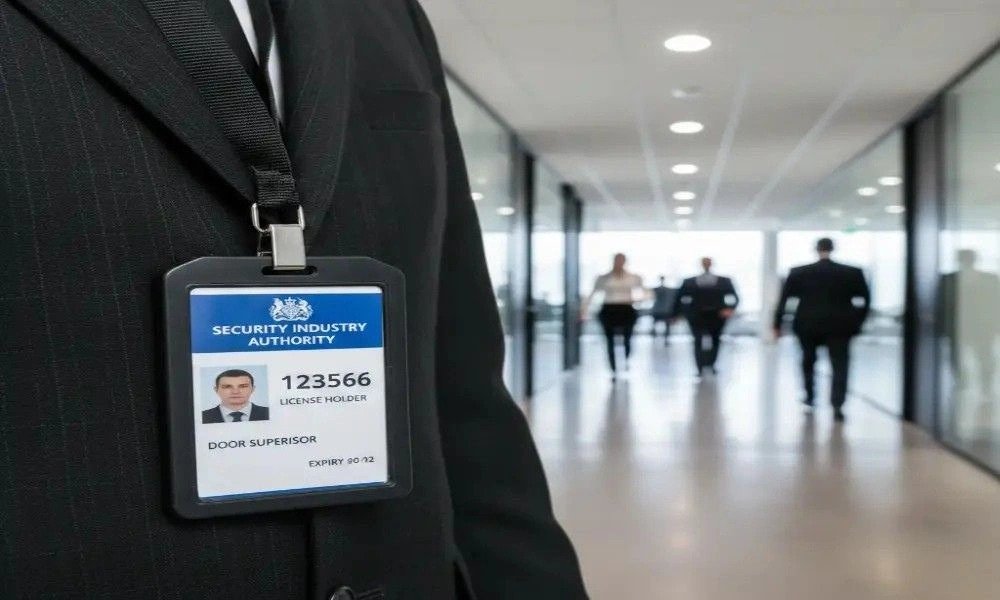
Once approved, your DS license is valid for 3 years. Check your license status on the SIA’s online register.
Step 9: Find Door Supervisor Jobs
Look for roles via general job boards (Indeed, Reed, Totaljobs), security-specific job sites, local venues, event companies, and security contractors.
Step 10: Gain Practical Experience (Optional)
Start with lower-risk venues or event shifts to build confidence. Progress to busier city-centre or late-night roles as experience grows. Consider adding CCTV or specialist training to expand your options.
How to Become a Security Guard in the UK (2026 Step-by-Step Guide)
Total Timeline (Typical)
- 1 day – Emergency First Aid at Work
- ~4 days – Security Guard license-linked course
- ACT e-learning is required
- 2–6 weeks – SIA application processing
Step 0: Check Eligibility
Same requirements as DS: You must be 18+, have the right to work, and be prepared for DBS and overseas checks.
Step 1: Complete Emergency First Aid at Work (EFAW)
Your First Aid certificate needs at least 12 months of validity remaining before SIA-linked SG training.
Step 2: Complete SIA-Approved Security Guard Training
Book the Level 2 Award in Security Guarding. Courses often run 4 days, covering private security basics, guarding duties, and conflict management.
Step 3: Complete ACT Awareness E-Learning
For renewals and increasingly for initial training, complete ACT Awareness and ACT Security e-learning and present certificates to your trainer.
Step 4: Submit SIA License Application Online
Follow the same GOV.UK process as DS, selecting Security Guarding as your license type.
Step 5: DBS Check and Processing
The SIA runs criminality checks and may request overseas evidence. Processing times match DS license timelines.
Step 6: Receive Your SIA Badge
Your SG license is generally valid for 3 years. Refresher training and renewal will be required at that point.
Step 7: Find Security Guard Jobs
Register with multiple security companies and recruiters. SG roles are common in retail, corporate reception, hospitals, logistics, and construction.
How to Find Jobs in Each Role (2026 Job Market)
Start with major UK job boards like Indeed, Reed, Totaljobs, and CV-Library, filtering by “SIA Door Supervisor” or “SIA Security Guard” to access thousands of active postings nationwide. Specialist security recruitment apps offer flexible nightlife shifts for DS staff and ad-hoc corporate work for SG staff.
National guarding companies and event-security providers maintain online portals where you can upload your SIA details and availability for long-term contracts or casual work.
Building a strong reputation for punctuality and professionalism opens doors through word-of-mouth referrals. At Securex, we’ve noticed that security professionals who stay connected with their training instructors consistently get referred to premium opportunities first.
Door Supervisors can approach bars, clubs, hotels, and event venues directly, while Security Guards should contact facilities managers, shopping centre management, or construction site offices about upcoming vacancies.
SIA License Renewal and Validity (2026 Critical Update)
DS and SG licenses are valid for three years.
You can renew up to 4 months before expiry, and any remaining time on your old license adds to the new one, so early renewal doesn’t waste time.
From 2026, refresher training is mandatory before renewal. Door Supervisor refresher courses typically run 2-3 days and include updated physical intervention and First Aid content.
Security Guard refresher courses last 1-1.5 days, covering updated searching, vulnerability awareness, and terror threat recognition.
Your First Aid certificate must have at least 12 months validity remaining, and ACT Awareness/Security e-learning is required as pre-course work. Start planning renewal 2-3 months ahead to avoid gaps.
If your license expires, you cannot legally work in licensable roles until a new license is granted, and working after expiry carries the same penalties as working without a license.
Some SIA Approved Contractor Scheme employers can issue a License Dispensation Notice (LDN) allowing you to work up to 5 weeks during renewal processing, but only if your renewal application was submitted before expiry and has reached the “checks in progress” stage.
Never assume you can work during renewal without explicit confirmation from your employer.
Conclusion: Understanding the Distinction Matters for Your Security Career
The choice between a Door Supervisor and Security Guard license in 2026 shapes where you can legally work, the risks you handle, your earning potential, and your long-term career trajectory. A DS license delivers maximum flexibility, covering most SG roles while enabling licensed venue and event work. An SG license suits those preferring quieter, structured environments with lower confrontation.
Your Next Steps
→ If you want maximum flexibility and thrive in nightlife and crowds, prioritize the Door Supervisor route.
→ If you prefer static, corporate, or industrial sites with lower confrontation, consider starting with a Security Guard license.
→ Whichever you choose, plan your First Aid, ACT e-learning, and refresher training early. Keep close watch on your 3-year license cycle to avoid gaps in your ability to work legally.
At Securex, we’ve guided hundreds of Londoners through this decision. The professionals who succeed aren’t necessarily the toughest or most experienced when they start. They’re the ones who understand the legal framework, commit to proper training, and choose the license that matches both their personality and career ambitions.
Ready to start your security career? Contact Securex Premium Services for expert guidance on which SIA license path opens the right doors for you in London’s competitive security market.
Frequently Asked Questions
What pays more: a door supervisor or a security guard?
Door Supervisors typically earn £13-£18 per hour, while Security Guards average £10-£15 per hour, with DS roles commanding higher rates particularly in city-centre nightlife and events.
Is being a door supervisor harder than being a security guard?
Yes, Door Supervisor work involves more confrontation, managing intoxicated crowds, physical intervention, and high-pressure decision-making in noisy environments compared to the more routine, process-driven nature of Security Guard roles.
Can I have both SIA licenses at the same time?
You don’t need both licenses because a Door Supervisor license legally covers most Security Guard work, making dual licensing unnecessary and a waste of money.
How long does it take to get a door supervisor license?
Expect 4-8 weeks total: 1 day for First Aid, 6 days for DS training, plus 2-6 weeks for SIA application processing and badge delivery.
Do door supervisors need to know self-defense?
Yes, physical intervention skills are a mandatory core module in DS training, teaching you how to safely manage and restrain aggressive individuals when de-escalation fails.
What’s the job demand like for each role in the UK?
Both roles show strong demand in 2026 with thousands of active postings nationwide. DS roles dominate nightlife, events, and festivals while SG positions fill corporate, retail, and industrial sectors.
Are there age limits for door supervisors?
You must be at least 18 years old to hold an SIA Door Supervisor license, with no upper age limit as long as you meet physical fitness requirements for the role.
Can security guards work in pubs and clubs?
No, Security Guard license holders are legally prohibited from door supervision work at licensed premises where alcohol is sold for on-site consumption.
Latest Post